Trees and gardens
How to choose a tree for your USDA hardiness zone
November 18, 2026 · Daily Why Media
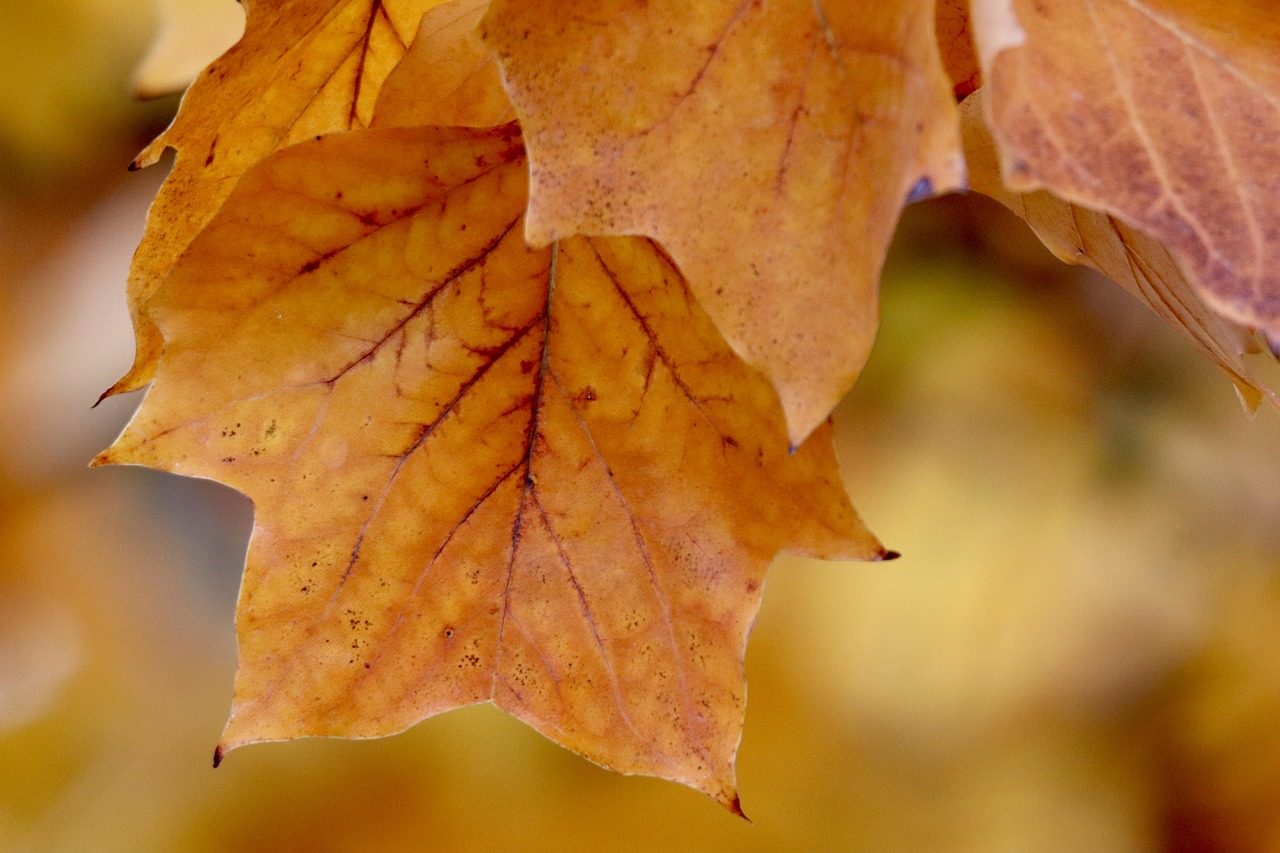
Photo: Nennieinszweidrei on Pixabay
The best tree for your yard starts with one question: will it survive your winters? Your USDA hardiness zone answers that, and it takes about a minute to find. It is only the first filter, though. Here is how to use it, plus a starter list for each part of the country.
Find your zone
Enter your ZIP code on the USDA Plant Hardiness Zone Map. The 2023 map groups places by their average coldest night of the year, using weather station data from 1991 to 2020. Each zone covers 10°F, and the lower the number, the colder the winter.
What your zone does not tell you
A zone is about winter cold. A tree can be rated for your zone and still struggle with your summer heat, rainfall, soil or space. Before you buy, check these four things:
- Mature size. Measure the room it will need overhead and away from buildings and lines.
- Sun. Match the tree to the light the spot really gets.
- Soil and water. Some trees want wet ground, while others need sharp drainage.
- Local advice. Your county extension office can flag pests, and species that spread too easily in your area.
Trees to start with, by zone
These picks come from the checked plant list behind our The Tree Atlas videos. Each one is typically rated for every zone in its group.
Zones 3 and 4: long, hard winters
Zones 5 and 6: cold winters, warm summers
Zone 7: mild winters
Zones 8 and 9: short, gentle winters
Before you order a tree online
- Confirm that the listing's zone range includes yours.
- Check whether the seller ships to your state, and when it ships.
- Read the plant warranty, including what proof it requires.
- Have the planting spot chosen before the box arrives.
Sources
Some links may be affiliate links (disclosure).