Smart home
Smart smoke and CO alarms: what to check before you buy
November 18, 2026 · Daily Why Media
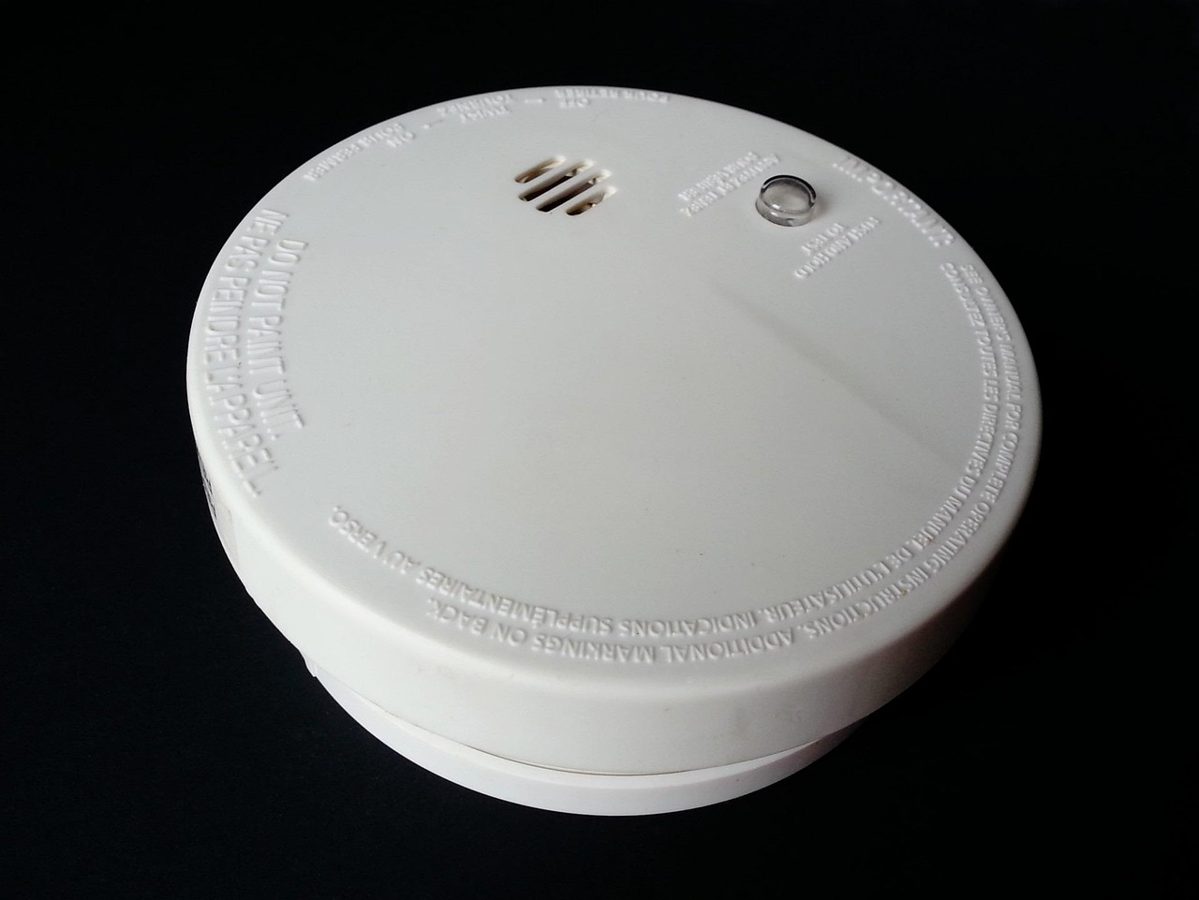
Photo: PublicDomainPictures on Pixabay
A phone alert is useful, but it is not what makes an alarm good. A smart smoke or carbon monoxide alarm should first do everything a regular alarm does. The app comes second.
Start with the safety basics
Smoke alarms
- NFPA recommends one inside each bedroom, outside each sleeping area, and on every level, including the basement.
- Mount them high, and keep them at least 10 feet from the stove to cut down on cooking false alarms.
- Test them once a month.
- Replace each alarm 10 years after its manufacture date, which is printed on the back.
Carbon monoxide alarms
- CPSC says to put them on every level of the home and outside sleeping areas.
- Avoid spots near heating vents, or where furniture or drapes can cover them.
- Test them monthly, and replace them at the age the manufacturer lists.
Check the sensor and the listing
Smoke alarms usually use ionization sensors, photoelectric sensors or both. Ionization can respond a little faster to flaming fires, while photoelectric can respond much faster to smoldering ones. NFPA, CPSC and the US Fire Administration all point to protection from both, either with two alarm types or a dual-sensor model.
Look for a mark from a recognized testing lab. Smoke alarms are tested to UL 217, and CPSC points buyers to CO alarms that meet the current UL 2034 standard.
What "smart" should add
Questions to ask before buying
- What still works when Wi-Fi is down? The siren and alarm-to-alarm link should not depend on your internet.
- Is there a subscription? Find out whether phone alerts stay free.
- Does it need a hub? Count that in the real price.
- Is the battery sealed? If not, CPSC and NFPA guidance is to replace batteries at least yearly.
- Does it work with your smart home? Check the maker's current list of supported platforms.
- Do you need hard-wired alarms? Local codes can differ, especially when replacing wired units or remodeling.
Follow Smart Home Recap Today for daily smart home news.
Sources
Some links may be affiliate links (disclosure).