Birds and wildlife
Bird feeder cameras: a simple guide to getting started
November 18, 2026 · Daily Why Media
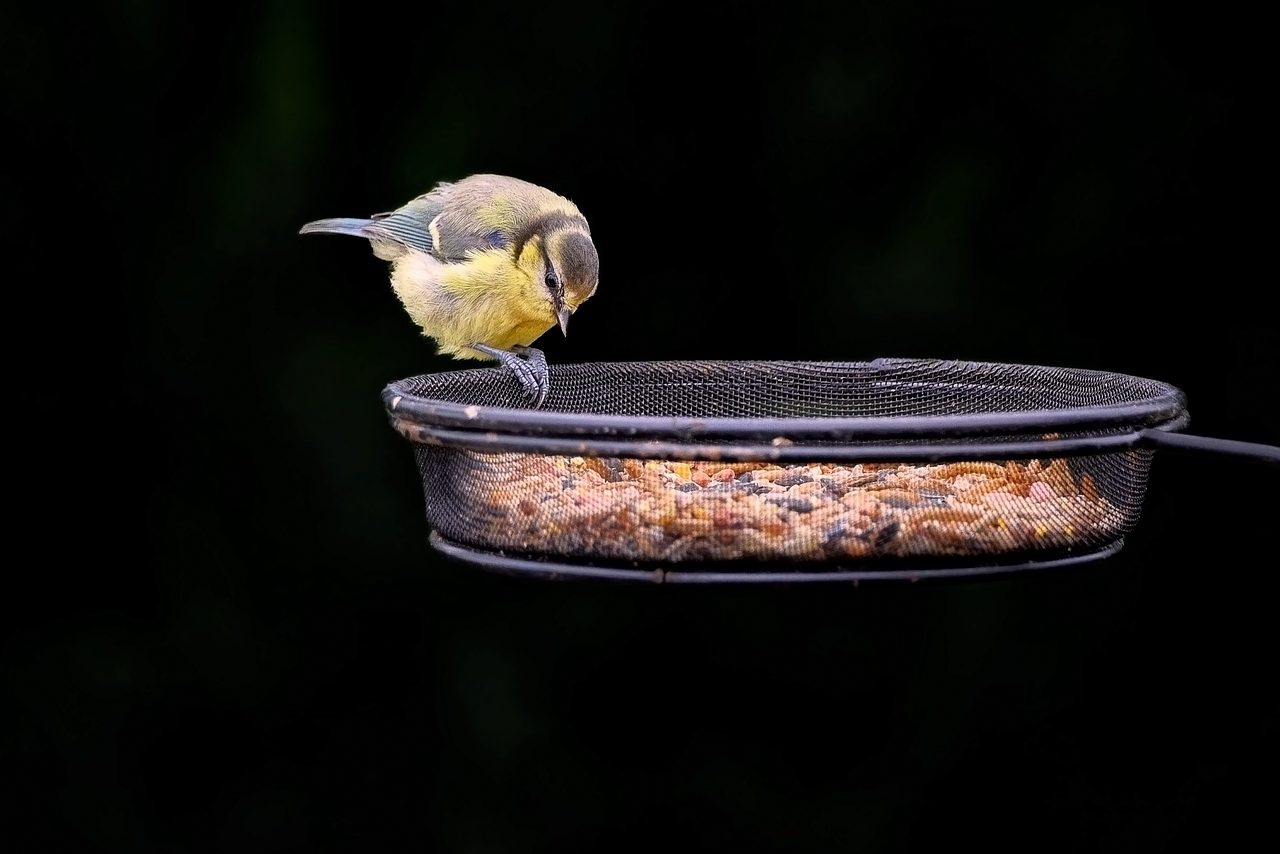
Photo: ambquinn on Pixabay
A camera feeder turns your yard into a daily wildlife show. The camera gets the attention, but healthy birds and a good location matter more. Get those right, and the photos tend to follow.
What to compare
Where to put it
Windows are the big hazard. Cornell's Project FeederWatch advises placing feeders within three feet of a reflective window, or treating the glass with decals or screening. Birds leaving a close feeder do not build up much speed. Research cited by the project found windows 15 to 30 feet from a feeder are the most dangerous.
What to feed first
Start with black-oil sunflower seed. Project FeederWatch calls it the most common feeder seed in North America. It is high in energy, has a thin shell, and draws cardinals, chickadees, finches and sparrows.
Keep the feeder clean
- Seed feeders: clean about every one to two weeks, and more often in heavy use or warm, damp weather.
- How: scrub off debris, then soak for 10 minutes in a diluted bleach solution. Rinse well and let it dry before refilling.
- Hummingbird feeders: clean at every refill, every two to five days depending on the heat.
- Cloudy nectar or black mold: throw out the nectar and clean the feeder right away.
Make your footage useful
Keep a few of your best clips by species and date. Over a year you will start to see who arrives first, who visits in bad weather, and who only passes through. Project FeederWatch also lets you share your counts with scientists.
Love seeing what lives nearby? Follow The Critter Atlas for the most-spotted animals, region by region.
Sources
- Project FeederWatch: Safe feeding environment
- Project FeederWatch: Black-oil sunflower seeds
- Cornell Lab: Maintaining your feeder
Some links may be affiliate links (disclosure).